Buy bestcleaningmanchester.co.uk ?
We are moving the project
bestcleaningmanchester.co.uk .
Are you interested in purchasing the domain
bestcleaningmanchester.co.uk ?
domain@kv-gmbh.de · 0541-91531010
Buy bestcleaningmanchester.co.uk ?
Why doesn't the Java getter work?
The Java getter may not work due to several reasons. One possibility is that the getter method is not properly implemented or is not returning the expected value. Another reason could be that the variable being accessed by the getter is not properly initialized or is not accessible within the scope of the getter method. Additionally, there could be a naming convention issue where the getter method does not follow the standard naming convention for getters in Java (e.g. getVariableName). It is important to carefully review the code and ensure that the getter method is correctly implemented and is able to access the desired variable. **
How does a getter work in Java?
In Java, a getter is a method used to retrieve the value of a private instance variable in a class. It is typically named using the convention getVariableName, where VariableName is the name of the variable being retrieved. The getter method is declared as public and returns the data type of the variable it is retrieving. By using getters, we can control access to the private variables of a class and ensure that they are accessed in a controlled manner. This helps to maintain encapsulation and data integrity in the program. **


Similar search terms for Getter
Top-Angebote
Products related to Getter:
-
Uplifted Finds Phyto Dermal Dental Sanitization Hub Phyto Dermal Dental Sanitization HubOptimize your pets oral hygiene and metabolic relaxation with the PhytoDermal Dental Sanitization Hub, a professionalgrade mastication module engineered with biologicalabrasion logic. This highutility enrichment unit features a specialized pure...35,97 $*Shipping: 0,00 $Secure redirect to the provider
-
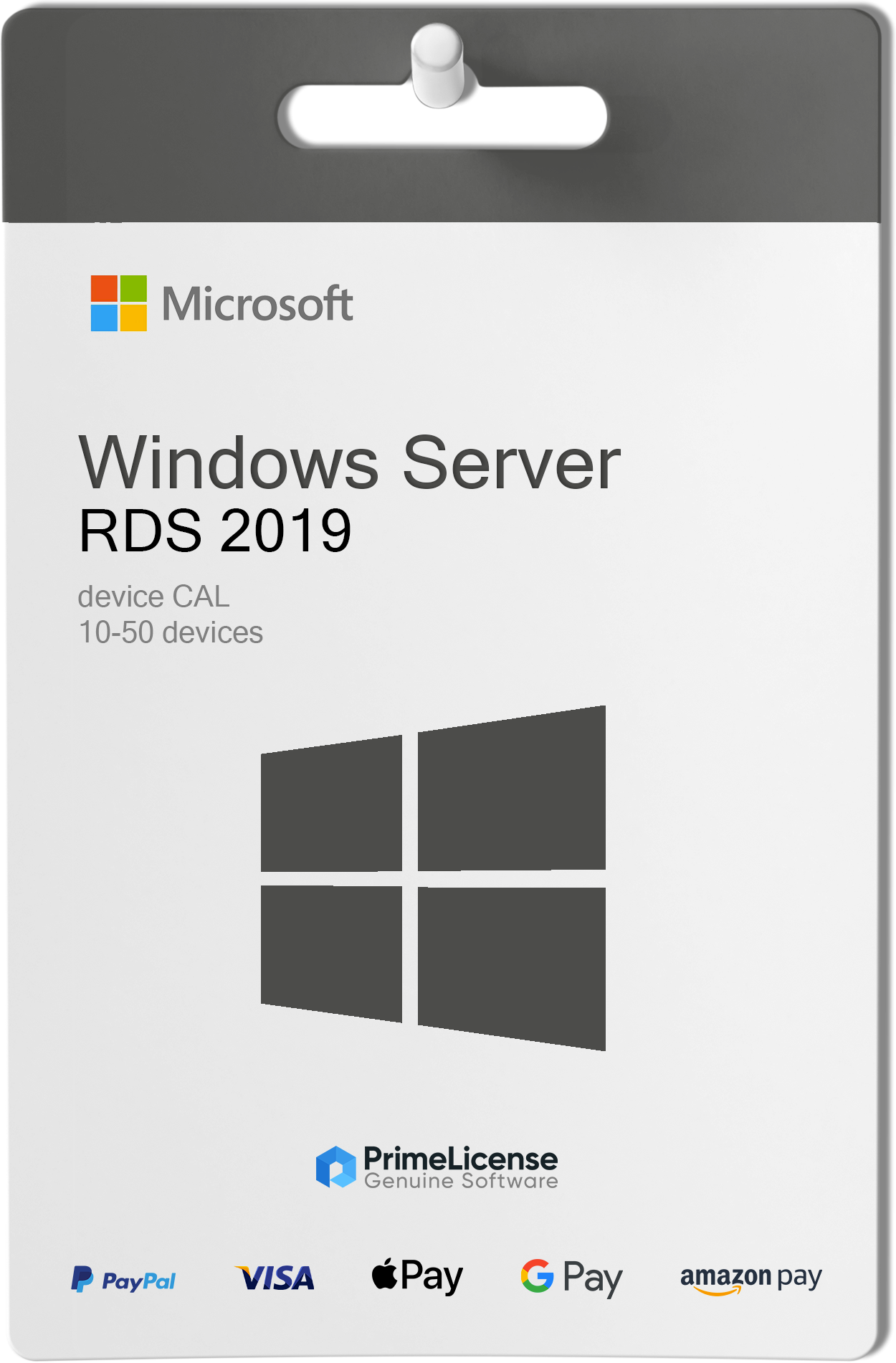
Microsoft Remote Desktop Services (RDS) 2019PLEASE NOTE: RDS CAL licences require technical activation in Server Manager. These licences are not the CAL versions required for Microsoft audits – a serial number is provided for activating user or device CALs in Windows Server environments. Windows Server Remote Desktop Services 2019 is a component of the Windows Server operating system that allows users to access applications and desktops remotely. It provides a secure and scalable solution for delivering virtual desktops, session-based desktops, and remote applications to users across different devices. Here is a detailed description of Windows Server Remote Desktop Services 2019: Remote Desktop Session Host (RDSH): RDSH is a role in Windows Server that enables multiple users to access Windows desktops and applications simultaneously on a Remote Desktop Session Host server. It allows for session-based desktop deployments where users connect to a shared server and run their applications within separate sessions. Remote Desktop Virtualization Host (RDVH): RDVH is a role in Windows Server that allows for the deployment of virtual desktop infrastructure (VDI). It enables users to connect to individual virtual machines running Windows and access a personalized desktop experience. RDVH supports both pooled and personal virtual desktop deployments. Remote Desktop Web Access (RD Web Access): RD Web Access is a web-based portal that provides users with access to RemoteApp programs, virtual desktops, and session-based desktops through a web browser. Users can launch applications and desktops without the need to install any additional software on their local devices. Remote Desktop Gateway (RD Gateway): RD Gateway acts as a secure gateway between remote clients and the internal network, providing a secure connection for remote desktop and application access. It uses the Remote Desktop Protocol (RDP) over HTTPS to establish encrypted connections and authenticate users before granting access to internal resources. Remote Desktop Connection Broker (RD Connection Broker): RD Connection Broker is responsible for load balancing and connection brokering in a Remote Desktop Services deployment. It ensures that users are connected to their existing sessions when reconnecting and distributes new connection requests across multiple session hosts for optimal resource utilization. Licensing: Remote Desktop Services requires appropriate licensing to ensure compliance. In the case of Windows Server 2019, you would need Remote Desktop Services Client Access Licenses (RDS CALs) to allow users or devices to access the server. There are both User CALs and Device CALs available, depending on the licensing model that suits your organization's needs. Overall, Windows Server Remote Desktop Services 2019 provides a comprehensive solution for remote access to applications and desktops, offering flexibility, security, and centralized management capabilities. It enables organizations to deliver a seamless and productive remote...68,90 £*Shipping: 0,00 £Secure redirect to the provider
-
Microsoft Remote Desktop Services 2025 (RDS)PLEASE NOTE: RDS CAL licences require technical activation in Server Manager. These licences are not the CAL versions required for Microsoft audits – a serial number is provided for activating user or device CALs in Windows Server environments. Microsoft Remote Desktop Services (RDS) licences for the 2025 edition represent a significant step towards innovation and efficiency in IT infrastructure management. Designed to optimise remote access and application virtualisation, these licences offer a range of advanced features and capabilities that can transform the way businesses operate. Innovation and Security Advanced Security: Windows Server 2025 introduces multi-layered security with features such as Credential Guard, which protects user credentials, and Hotpatch, which allows security updates to be applied without the need for a reboot. These innovations are key to preventing cyber-attacks and ensuring the protection of sensitive data13. HybridCloud Integration: The new RDS licences support simplified resource management in hybrid cloud environments, allowing businesses to easily connect local servers to Microsoft Azure. This integration unlocks the full potential of the cloud, improving scalability and flexibility of business operations13. Key Features Optimised Remote Access: RDS allows users to access desktops and applications from anywhere, improving productivity and collaboration across distributed teams. Thanks to application virtualisation, users can use software without having to install it locally46. Consistent User Interface: The user experience has been improved with an interface that reflects the Windows 11 style, making access to remote desktop services more intuitive. Features such as Bluetooth and Wi-Fi are now integrated, further facilitating connections34. Flexible Licensing: Client Access Licences ( CALs ) are available in various models, including per-device and per-user, allowing companies to choose the option that best suits their operational needs. This flexible approach facilitates the management of licences across multiple devices56. Product Capabilities RDS licences for Windows Server 2025 not only improve security and accessibility, but also offer significant opportunities to optimise operational costs. With centralised application management and simplified access to corporate resources, organisations can reduce downtime and improve overall efficiency. In summary, Microsoft Remote Desktop Services 2025 is a state-of-the-art solution for businesses looking to modernise their IT infrastructure while ensuring security, flexibility and high performance. With these licences, organisations can meet the challenges of modern remote working with confidence and preparedness.111,90 £*Shipping: 0,00 £Secure redirect to the provider
-
Microsoft Remote Desktop Services (RDS) 2022PLEASE NOTE: RDS CAL licences require technical activation in Server Manager. These licences are not the CAL versions required for Microsoft audits – a serial number is provided for activating user or device CALs in Windows Server environments. Windows Server Remote Desktop Services (RDS) 2022 is a powerful server-based virtualization technology that enables users to access Windows desktops, applications, and data remotely from various devices. It allows organizations to deliver a rich virtual desktop infrastructure (VDI) or session-based desktops to end-users, providing a flexible and secure remote computing solution. Key Features of Windows Server Remote Desktop Services 2022: Virtual Desktop Infrastructure (VDI): Windows Server RDS 2022 allows administrators to create and manage virtual desktops that can be accessed remotely by end-users. VDI enables personalized desktop experiences and allows users to access their virtual desktops from different devices, providing a consistent and productive environment. Session-based Desktops: In addition to VDI, RDS 2022 supports session-based desktops. Session-based desktops enable multiple users to share a single server operating system while maintaining separate user sessions. This allows efficient utilization of server resources and enables cost-effective desktop delivery. RemoteApp: With RemoteApp, administrators can virtualize and deliver individual applications from a server to end-user devices. RemoteApp provides a seamless application experience, allowing users to access specific applications without the need to access an entire desktop. This feature enhances flexibility and simplifies application management. RemoteFX: RemoteFX is a technology included in Windows Server RDS 2022 that enhances the remote desktop experience by providing high-quality multimedia and graphics capabilities. It enables smooth video playback, USB redirection, and multi-monitor support, making the remote desktop experience feel more like a local desktop environment. Remote Desktop Gateway: The Remote Desktop Gateway (RD Gateway) component in RDS 2022 allows secure remote access to internal network resources over the internet. It acts as a gateway server that provides a single point of entry for remote desktop connections, ensuring encrypted and authenticated access to virtual desktops or session-based desktops. Remote Desktop Web Access: RDS 2022 includes a web-based portal called Remote Desktop Web Access (RD Web Access) that allows users to access their virtual desktops, RemoteApp programs, and published resources through a web browser. It provides a convenient and platform-independent way for users to connect to their remote desktops and applications. Scalability and Load Balancing: Windows Server RDS 2022 supports scaling and load balancing to optimize resource utilization and ensure high availability. Administrators can distribute user sessions across multiple servers, ensuring efficient use of hardware resources and...102,90 £*Shipping: 0,00 £Secure redirect to the provider



-
What is the difference between getter and setter methods?
Getter methods are used to retrieve the value of a private variable in a class, while setter methods are used to modify the value of a private variable. Getter methods typically have a return type and do not take any parameters, while setter methods do not have a return type but take a parameter to set the new value of the variable. Getter methods are used to access the value of a variable, while setter methods are used to update the value of a variable. **
-
What can getter and setter methods be used for?
Getter and setter methods are used to access and modify the private attributes of a class. Getter methods allow us to retrieve the values of private attributes, while setter methods enable us to update or change the values of these attributes. By using getter and setter methods, we can control how the attributes are accessed and modified, ensuring data encapsulation and providing a level of security for our class properties. **
-
What is the getter method for the C matrices?
The getter method for the C matrices would typically be a method that allows access to the C matrices from outside the class. This method would return the C matrices, allowing other parts of the program to retrieve and use the C matrices as needed. The getter method would provide a way to access the C matrices without directly exposing the internal implementation of the class, maintaining encapsulation and data hiding principles. **
-
Why should one use Getter and Setter in Java?
One should use Getter and Setter in Java to ensure proper encapsulation of class fields. By using Getter and Setter methods, one can control access to the class fields and enforce validation or business logic before allowing changes to the field values. This helps in maintaining the integrity of the class and prevents direct access to the fields from outside the class. Additionally, using Getter and Setter methods also allows for easier modification of the class in the future without affecting the external code that uses the class. **

What is the difference between getter and setter methods in Java?
Getter methods are used to retrieve the value of a private instance variable in a class, while setter methods are used to set the value of a private instance variable in a class. Getter methods typically have a return type and do not take any parameters, while setter methods do not have a return type but take a parameter to set the value of the instance variable. Getter methods are usually named with the prefix "get" followed by the variable name, while setter methods are named with the prefix "set" followed by the variable name. **
Can I simply register the janitorial services?
No, simply registering the janitorial services may not be enough. Depending on your location and the specific services you plan to offer, you may need to obtain certain licenses or permits. Additionally, you may need to comply with local regulations regarding waste disposal, cleaning products, and employee safety. It's important to research the requirements in your area and ensure that you are in compliance with all necessary regulations before offering your janitorial services. **
Top-Angebote
Products related to Getter:
-
Dream On Me Go-Getter 3-in-1 Baby WalkerHelp your baby discover walking with the Go Getter Walker. The seated walker is a great way to introduce your child to walking. As your LO gets confident, use it as a walk-behind walker - see them push it around the house!59,49 $*Shipping: 0,00 $Secure redirect to the provider
-
Cleaning Cart, 3-Shelf Commercial Janitorial Cart, 200 lbs Capacity Plastic Housekeeping Cart, with 25 Gallon PVC Bag3-Shelf Cleaning Cart: Do you always forget sanitary tools when cleaning? Organize your cleaning and increase efficiency with this multipurpose janitorial cart. The three-shelf design keeps cleaning tools organized.143,49 $*Shipping: 0,00 $Secure redirect to the provider
-
Uplifted Finds Phyto Dermal Dental Sanitization Hub Phyto Dermal Dental Sanitization HubOptimize your pets oral hygiene and metabolic relaxation with the PhytoDermal Dental Sanitization Hub, a professionalgrade mastication module engineered with biologicalabrasion logic. This highutility enrichment unit features a specialized pure...35,97 $*Shipping: 0,00 $Secure redirect to the provider
-
Microsoft Remote Desktop Services (RDS) 2019PLEASE NOTE: RDS CAL licences require technical activation in Server Manager. These licences are not the CAL versions required for Microsoft audits – a serial number is provided for activating user or device CALs in Windows Server environments. Windows Server Remote Desktop Services 2019 is a component of the Windows Server operating system that allows users to access applications and desktops remotely. It provides a secure and scalable solution for delivering virtual desktops, session-based desktops, and remote applications to users across different devices. Here is a detailed description of Windows Server Remote Desktop Services 2019: Remote Desktop Session Host (RDSH): RDSH is a role in Windows Server that enables multiple users to access Windows desktops and applications simultaneously on a Remote Desktop Session Host server. It allows for session-based desktop deployments where users connect to a shared server and run their applications within separate sessions. Remote Desktop Virtualization Host (RDVH): RDVH is a role in Windows Server that allows for the deployment of virtual desktop infrastructure (VDI). It enables users to connect to individual virtual machines running Windows and access a personalized desktop experience. RDVH supports both pooled and personal virtual desktop deployments. Remote Desktop Web Access (RD Web Access): RD Web Access is a web-based portal that provides users with access to RemoteApp programs, virtual desktops, and session-based desktops through a web browser. Users can launch applications and desktops without the need to install any additional software on their local devices. Remote Desktop Gateway (RD Gateway): RD Gateway acts as a secure gateway between remote clients and the internal network, providing a secure connection for remote desktop and application access. It uses the Remote Desktop Protocol (RDP) over HTTPS to establish encrypted connections and authenticate users before granting access to internal resources. Remote Desktop Connection Broker (RD Connection Broker): RD Connection Broker is responsible for load balancing and connection brokering in a Remote Desktop Services deployment. It ensures that users are connected to their existing sessions when reconnecting and distributes new connection requests across multiple session hosts for optimal resource utilization. Licensing: Remote Desktop Services requires appropriate licensing to ensure compliance. In the case of Windows Server 2019, you would need Remote Desktop Services Client Access Licenses (RDS CALs) to allow users or devices to access the server. There are both User CALs and Device CALs available, depending on the licensing model that suits your organization's needs. Overall, Windows Server Remote Desktop Services 2019 provides a comprehensive solution for remote access to applications and desktops, offering flexibility, security, and centralized management capabilities. It enables organizations to deliver a seamless and productive remote...68,90 £*Shipping: 0,00 £Secure redirect to the provider
-
Why doesn't the Java getter work?
The Java getter may not work due to several reasons. One possibility is that the getter method is not properly implemented or is not returning the expected value. Another reason could be that the variable being accessed by the getter is not properly initialized or is not accessible within the scope of the getter method. Additionally, there could be a naming convention issue where the getter method does not follow the standard naming convention for getters in Java (e.g. getVariableName). It is important to carefully review the code and ensure that the getter method is correctly implemented and is able to access the desired variable. **
-
How does a getter work in Java?
In Java, a getter is a method used to retrieve the value of a private instance variable in a class. It is typically named using the convention getVariableName, where VariableName is the name of the variable being retrieved. The getter method is declared as public and returns the data type of the variable it is retrieving. By using getters, we can control access to the private variables of a class and ensure that they are accessed in a controlled manner. This helps to maintain encapsulation and data integrity in the program. **
-
What is the difference between getter and setter methods?
Getter methods are used to retrieve the value of a private variable in a class, while setter methods are used to modify the value of a private variable. Getter methods typically have a return type and do not take any parameters, while setter methods do not have a return type but take a parameter to set the new value of the variable. Getter methods are used to access the value of a variable, while setter methods are used to update the value of a variable. **
-
What can getter and setter methods be used for?
Getter and setter methods are used to access and modify the private attributes of a class. Getter methods allow us to retrieve the values of private attributes, while setter methods enable us to update or change the values of these attributes. By using getter and setter methods, we can control how the attributes are accessed and modified, ensuring data encapsulation and providing a level of security for our class properties. **
Similar search terms for Getter
-
Microsoft Remote Desktop Services 2025 (RDS)PLEASE NOTE: RDS CAL licences require technical activation in Server Manager. These licences are not the CAL versions required for Microsoft audits – a serial number is provided for activating user or device CALs in Windows Server environments. Microsoft Remote Desktop Services (RDS) licences for the 2025 edition represent a significant step towards innovation and efficiency in IT infrastructure management. Designed to optimise remote access and application virtualisation, these licences offer a range of advanced features and capabilities that can transform the way businesses operate. Innovation and Security Advanced Security: Windows Server 2025 introduces multi-layered security with features such as Credential Guard, which protects user credentials, and Hotpatch, which allows security updates to be applied without the need for a reboot. These innovations are key to preventing cyber-attacks and ensuring the protection of sensitive data13. HybridCloud Integration: The new RDS licences support simplified resource management in hybrid cloud environments, allowing businesses to easily connect local servers to Microsoft Azure. This integration unlocks the full potential of the cloud, improving scalability and flexibility of business operations13. Key Features Optimised Remote Access: RDS allows users to access desktops and applications from anywhere, improving productivity and collaboration across distributed teams. Thanks to application virtualisation, users can use software without having to install it locally46. Consistent User Interface: The user experience has been improved with an interface that reflects the Windows 11 style, making access to remote desktop services more intuitive. Features such as Bluetooth and Wi-Fi are now integrated, further facilitating connections34. Flexible Licensing: Client Access Licences ( CALs ) are available in various models, including per-device and per-user, allowing companies to choose the option that best suits their operational needs. This flexible approach facilitates the management of licences across multiple devices56. Product Capabilities RDS licences for Windows Server 2025 not only improve security and accessibility, but also offer significant opportunities to optimise operational costs. With centralised application management and simplified access to corporate resources, organisations can reduce downtime and improve overall efficiency. In summary, Microsoft Remote Desktop Services 2025 is a state-of-the-art solution for businesses looking to modernise their IT infrastructure while ensuring security, flexibility and high performance. With these licences, organisations can meet the challenges of modern remote working with confidence and preparedness.111,90 £*Shipping: 0,00 £Secure redirect to the provider
-
Microsoft Remote Desktop Services (RDS) 2022PLEASE NOTE: RDS CAL licences require technical activation in Server Manager. These licences are not the CAL versions required for Microsoft audits – a serial number is provided for activating user or device CALs in Windows Server environments. Windows Server Remote Desktop Services (RDS) 2022 is a powerful server-based virtualization technology that enables users to access Windows desktops, applications, and data remotely from various devices. It allows organizations to deliver a rich virtual desktop infrastructure (VDI) or session-based desktops to end-users, providing a flexible and secure remote computing solution. Key Features of Windows Server Remote Desktop Services 2022: Virtual Desktop Infrastructure (VDI): Windows Server RDS 2022 allows administrators to create and manage virtual desktops that can be accessed remotely by end-users. VDI enables personalized desktop experiences and allows users to access their virtual desktops from different devices, providing a consistent and productive environment. Session-based Desktops: In addition to VDI, RDS 2022 supports session-based desktops. Session-based desktops enable multiple users to share a single server operating system while maintaining separate user sessions. This allows efficient utilization of server resources and enables cost-effective desktop delivery. RemoteApp: With RemoteApp, administrators can virtualize and deliver individual applications from a server to end-user devices. RemoteApp provides a seamless application experience, allowing users to access specific applications without the need to access an entire desktop. This feature enhances flexibility and simplifies application management. RemoteFX: RemoteFX is a technology included in Windows Server RDS 2022 that enhances the remote desktop experience by providing high-quality multimedia and graphics capabilities. It enables smooth video playback, USB redirection, and multi-monitor support, making the remote desktop experience feel more like a local desktop environment. Remote Desktop Gateway: The Remote Desktop Gateway (RD Gateway) component in RDS 2022 allows secure remote access to internal network resources over the internet. It acts as a gateway server that provides a single point of entry for remote desktop connections, ensuring encrypted and authenticated access to virtual desktops or session-based desktops. Remote Desktop Web Access: RDS 2022 includes a web-based portal called Remote Desktop Web Access (RD Web Access) that allows users to access their virtual desktops, RemoteApp programs, and published resources through a web browser. It provides a convenient and platform-independent way for users to connect to their remote desktops and applications. Scalability and Load Balancing: Windows Server RDS 2022 supports scaling and load balancing to optimize resource utilization and ensure high availability. Administrators can distribute user sessions across multiple servers, ensuring efficient use of hardware resources and...102,90 £*Shipping: 0,00 £Secure redirect to the provider
-
Uplifted Finds Epidermal Sanitization Inventory (3 Pack Hub) Epidermal Sanitization Inventory (3 Pack Hub)Optimize your pets dermatological hygiene and ocular clarity with the Epidermal Sanitization Inventory, a professionalgrade maintenance system engineered with aqueouscleansing logic. This highutility 240unit logistics package features a specialized...111,97 $*Shipping: 0,00 $Secure redirect to the provider
-
What is the getter method for the C matrices?
The getter method for the C matrices would typically be a method that allows access to the C matrices from outside the class. This method would return the C matrices, allowing other parts of the program to retrieve and use the C matrices as needed. The getter method would provide a way to access the C matrices without directly exposing the internal implementation of the class, maintaining encapsulation and data hiding principles. **
-
Why should one use Getter and Setter in Java?
One should use Getter and Setter in Java to ensure proper encapsulation of class fields. By using Getter and Setter methods, one can control access to the class fields and enforce validation or business logic before allowing changes to the field values. This helps in maintaining the integrity of the class and prevents direct access to the fields from outside the class. Additionally, using Getter and Setter methods also allows for easier modification of the class in the future without affecting the external code that uses the class. **
-
What is the difference between getter and setter methods in Java?
Getter methods are used to retrieve the value of a private instance variable in a class, while setter methods are used to set the value of a private instance variable in a class. Getter methods typically have a return type and do not take any parameters, while setter methods do not have a return type but take a parameter to set the value of the instance variable. Getter methods are usually named with the prefix "get" followed by the variable name, while setter methods are named with the prefix "set" followed by the variable name. **
-
Can I simply register the janitorial services?
No, simply registering the janitorial services may not be enough. Depending on your location and the specific services you plan to offer, you may need to obtain certain licenses or permits. Additionally, you may need to comply with local regulations regarding waste disposal, cleaning products, and employee safety. It's important to research the requirements in your area and ensure that you are in compliance with all necessary regulations before offering your janitorial services. **
* All prices are inclusive of VAT and, if applicable, plus shipping costs. The offer information is based on the details provided by the respective shop and is updated through automated processes. Real-time updates do not occur, so deviations can occur in individual cases. ** Note: Parts of this content were created by AI.